From a national tour and a four-week run at Soho Theatre, to away days, community workshops and a conference bringing together people from across the care sector, Flock has travelled a long way. But its impact has always been about much more than the places it has visited or the performances it has delivered. At its heart, Flock has been about people: their stories, their relationships, their sense of belonging and the importance of having somewhere, and someone, to call home.
As we reach the end of this chapter of the project, we're looking back at the journey of Flock, the people it has brought together and the conversations it has helped to create.
A story that needed to be heard
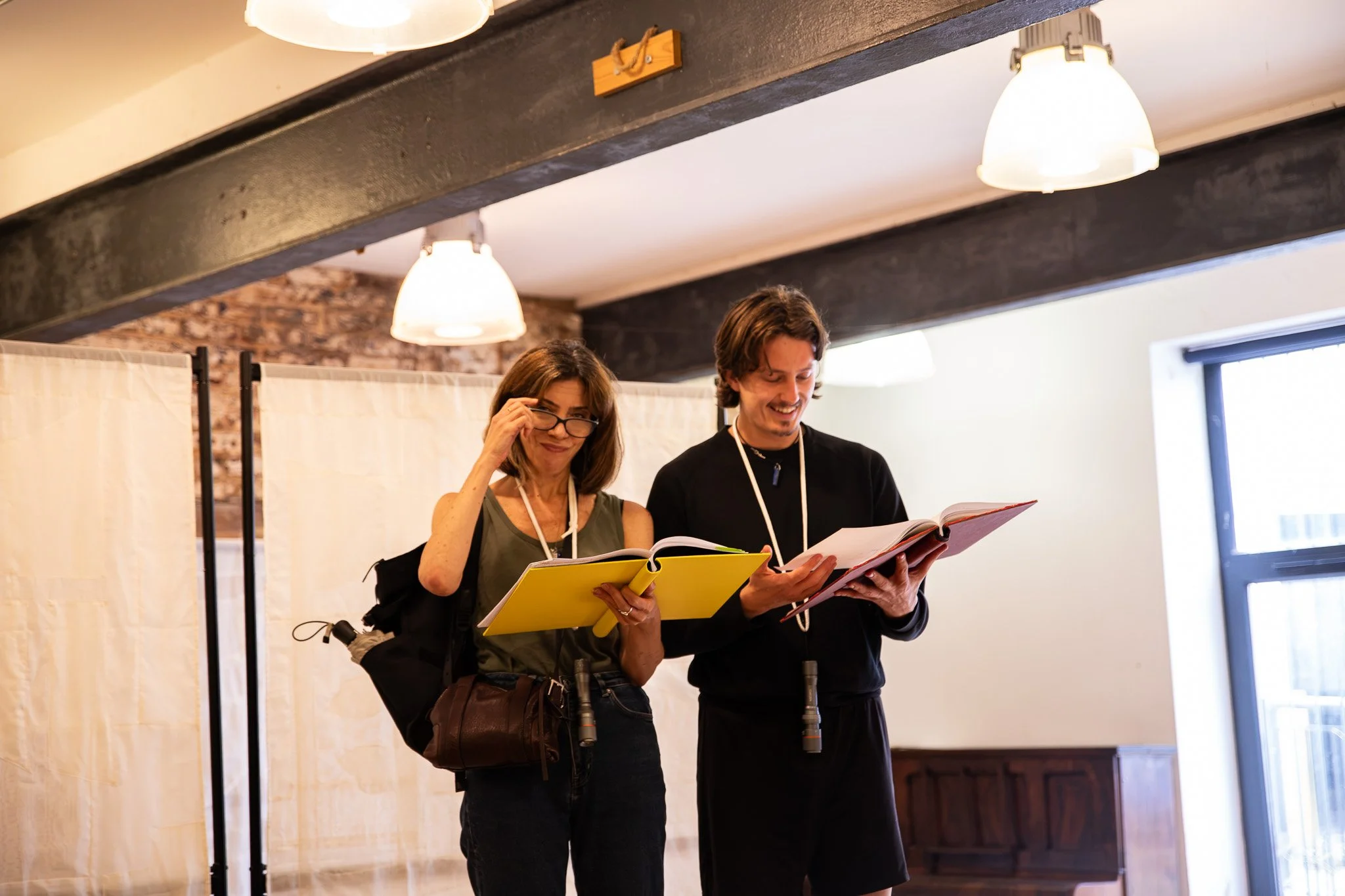
Photography by Lucy Hayes
Written by Lin Coghlan, Flock tells the story of siblings Robbie and Cel. Robbie is 17 and Cel is 20. Having grown up in and out of the care system, through different placements and different addresses, they are trying to find stability and a way to build a future together. Cel is looking towards university, while Robbie wants something much simpler: a place where they can live together. Their story explores the complexities of growing up in care, the importance of sibling relationships and the search for stability, connection and belonging. Flock is not a play about numbers or statistics. It is about the people behind them. It asks audiences to look beyond systems and processes and consider what it means for a young person to have a place to call home, and the relationships that make that possible. The production first toured nationally, including a four-week run at Soho Theatre, reaching audiences across the country. In 2026, it returned to its roots for a special run in Lewisham, the community at the heart of the project.
Bringing Flock home to Lewisham
From 29 September to 3 October 2026, Flock took to the stage at Jack Studio Theatre in Lewisham. The return was an opportunity to share the production with local audiences and reconnect the story with the community in which the project is rooted. Across the run, audiences came together to experience the play, reflect on its themes and consider the experiences of young people navigating the care system. But the stage was only one part of the journey.
Taking the story beyond the theatre
Throughout the project, Flock became a starting point for creative activity, learning and conversation in a range of settings.
Through performances and workshops, young people were given opportunities to engage with the world of the play, explore its themes and consider questions around family, identity, relationships and belonging. Theatre provided a shared starting point for conversations that can sometimes be difficult to begin. The project also worked with foster carers, creating space to reflect on the experiences of young people in care and the relationships that can make such a difference to their lives. These sessions offered an opportunity to think about the role of connection, understanding and support, and how the themes of the play resonate beyond the stage.
The reach of Flock extended into professional and local authority settings too. The team worked with the Waltham Forest Corporate Parenting Board during an away day, using the production and its themes to encourage reflection and discussion around the experiences and needs of care-experienced young people.
Each of these activities brought a different group of people into the conversation. Whether through watching the play, taking part in a workshop or reflecting on professional practice, Flock created opportunities to look at care experience from a more personal, human perspective.
Flock: In Formation – turning conversation into action
One of the most significant moments in the wider project was Flock: In Formation, a conference held at Goldsmiths, University of London.
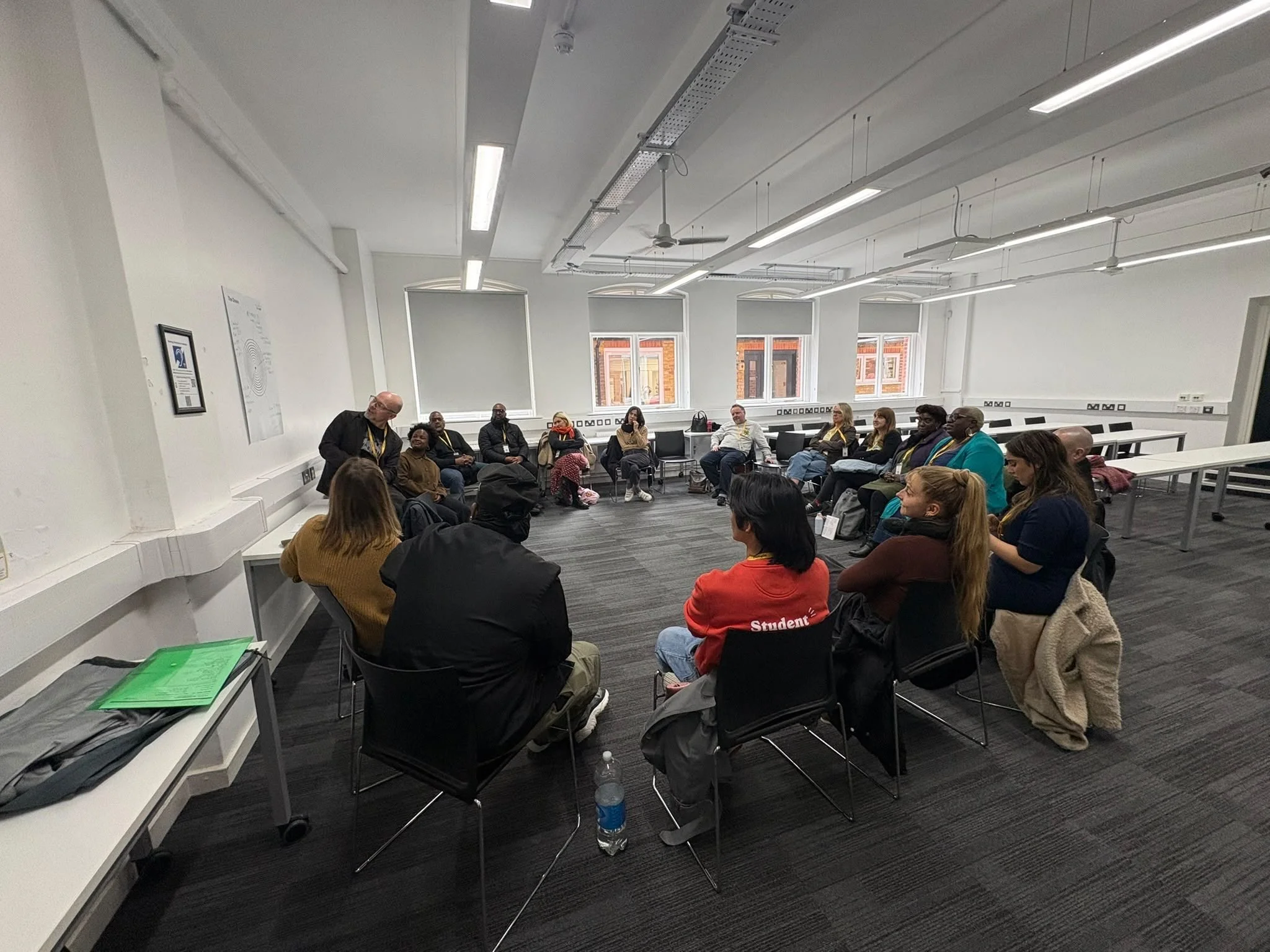
Bringing together people from across the care sector, alongside care-experienced speakers and Lived Experience Leaders, the conference explored how we can move beyond talking about change and begin to make it happen.
The day opened up the themes of Flock through a performance of Lin Coghlan's play, followed by a programme of discussion, reflection and creative activity. A keynote address, contributions from care-experienced speakers and Lived Experience Leaders, creative breakout sessions and a panel discussion offered different perspectives on the challenges facing care-experienced young people and the changes needed across the sector.
Crucially, the conference placed lived experience at the centre of the conversation. It recognised that care-experienced people should not simply be invited to share their stories; they should have meaningful opportunities to influence the decisions, services and systems that affect their lives. The day also marked the launch of a reverse-mentoring initiative, creating another opportunity to challenge traditional power dynamics and ensure that the knowledge and experiences of care-experienced people are heard by those in positions to make change.
What did we take away?
The feedback from Flock: In Formation demonstrated the value of bringing people together in this way.
86% of respondents said the conference had developed their thinking.
55% said it had developed their thinking very significantly.
26 people identified something they would do differently as a result of attending.
Perhaps most importantly, the feedback showed how powerfully theatre can stay with an audience and influence the way people think about the issues it explores.
One attendee reflected:
“Being care experienced myself, I felt this was very powerful. The play will be stuck with me for a long time.”
The evaluation offered an encouraging indication that the conference had done more than provide a space for discussion. It had prompted people to question their thinking, consider their own practice and identify actions they could take forward.
A project built on connection
Looking back across the whole project, what stands out is the variety of people and communities that Flock has brought together.
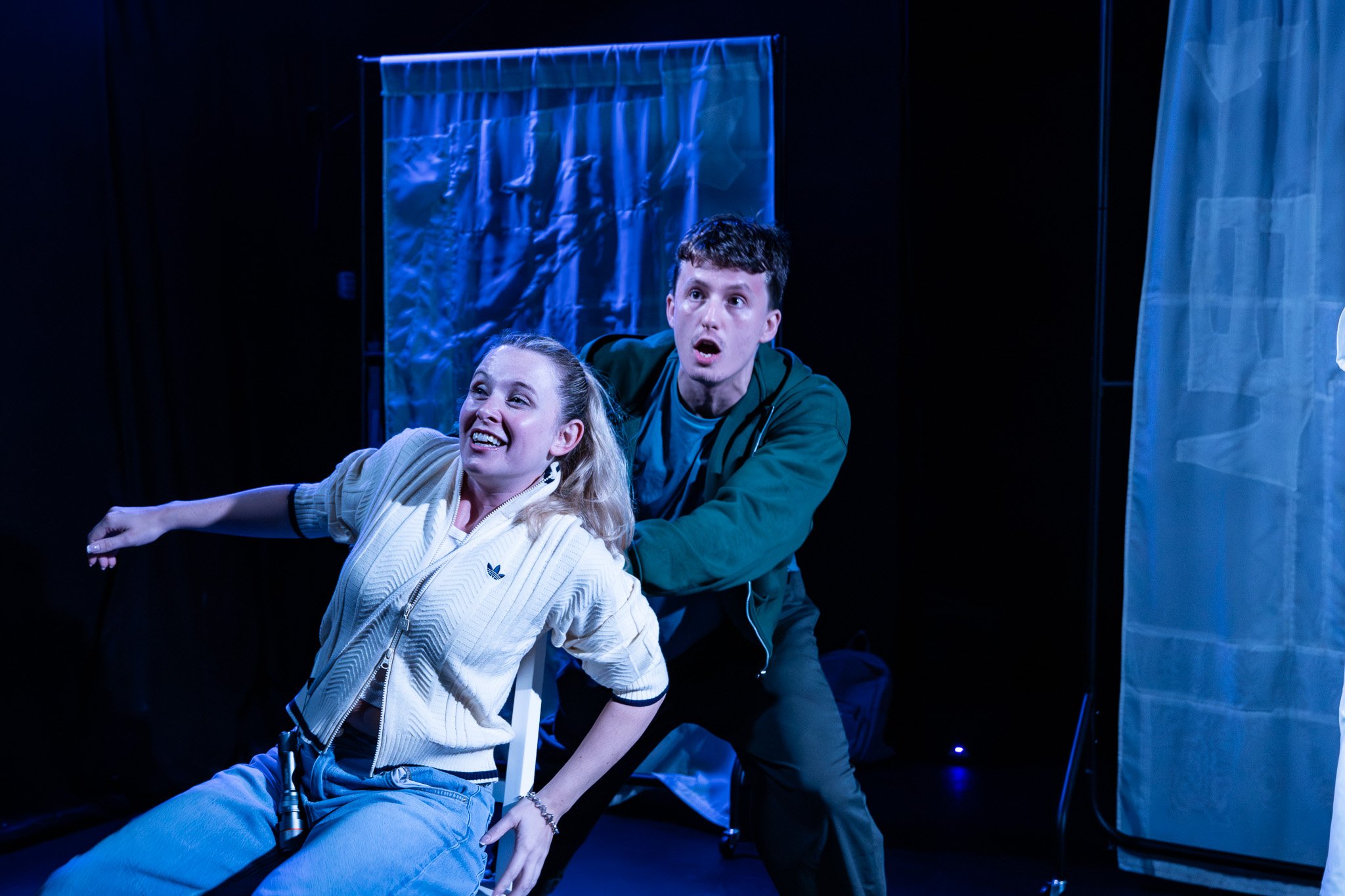
Audiences experienced the play in theatres. Foster carers reflected on the importance of relationships and support. Professionals came together to consider how systems and services could better respond to the needs of care-experienced young people. Care-experienced speakers and Lived Experience Leaders helped shape the conversations and challenge the people in the room to think differently.
These were not separate activities, but connected parts of a wider ambition: to use theatre as a catalyst for understanding, connection and change.
The project has also highlighted the importance of making space for care-experienced voices not just in conversations about the care system, but in the decisions that shape it. Meaningful change requires listening, sharing power and recognising the expertise that comes from lived experience.
The conversation doesn't end here
Although this chapter of Flock has come to a close, the conversations it has created do not have to end with it.
The audio walk and online workshop remain available for people who want to continue engaging with the project, while the reflections, connections and actions generated through the conference provide a foundation for future work.
From its national tour and Soho Theatre run to its return to Lewisham, Flock has reached beyond the stage and into communities and professional spaces. It has brought people together around a story that deserves to be heard and created opportunities to think more deeply about what care, connection and belonging should look like.
We are incredibly grateful to everyone who has been part of the journey: our audiences, workshop participants, foster carers, partners, speakers, care-experienced contributors, artists and creative team.
Thank you for being part of our flock.